Emergency Water Extraction & Removal in Flagstaff, AZ
Standing water spreads fast — into flooring, wall cavities and insulation. We remove the water, start drying, and document what we find so your next steps are clear.
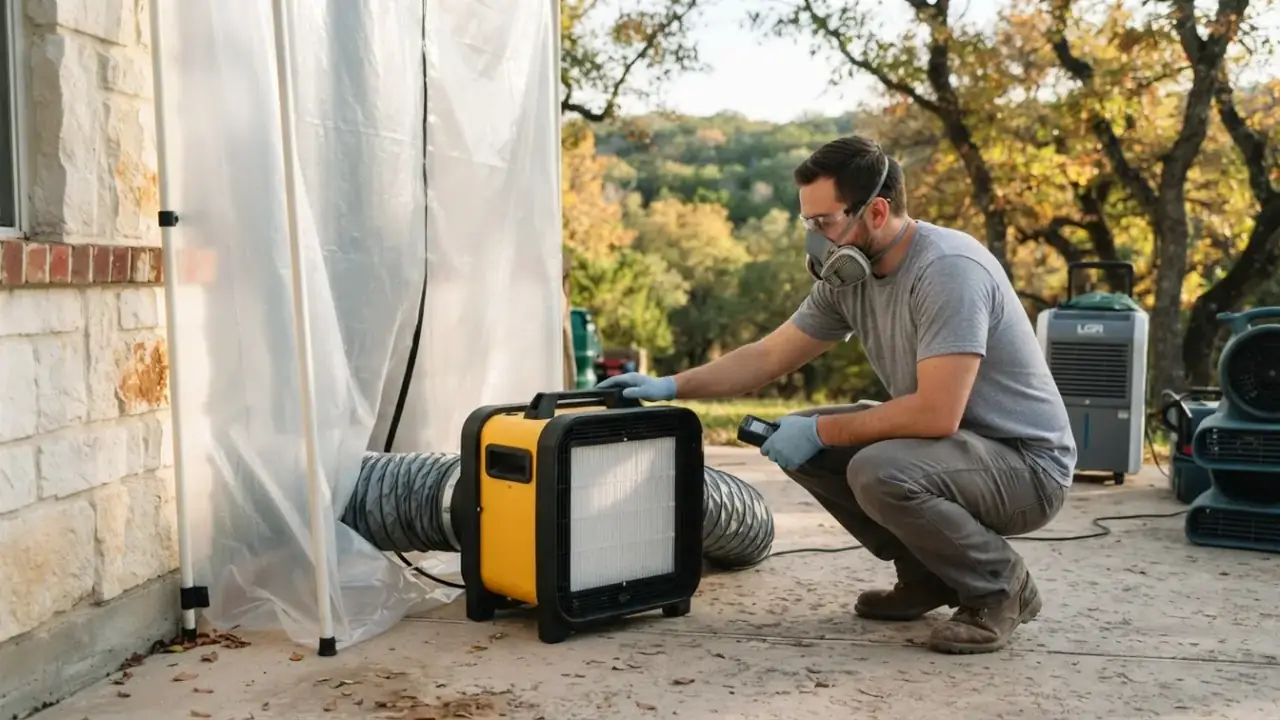
Emergency water removal services in Flagstaff: Flagstaff Water Damage Pros removes standing water from Flagstaff homes after burst pipes, leaks and flooding, then dries and documents the affected areas. When water is standing, call (928) 766-1764 as soon as you find it — every hour it sits, it travels further into the structure.
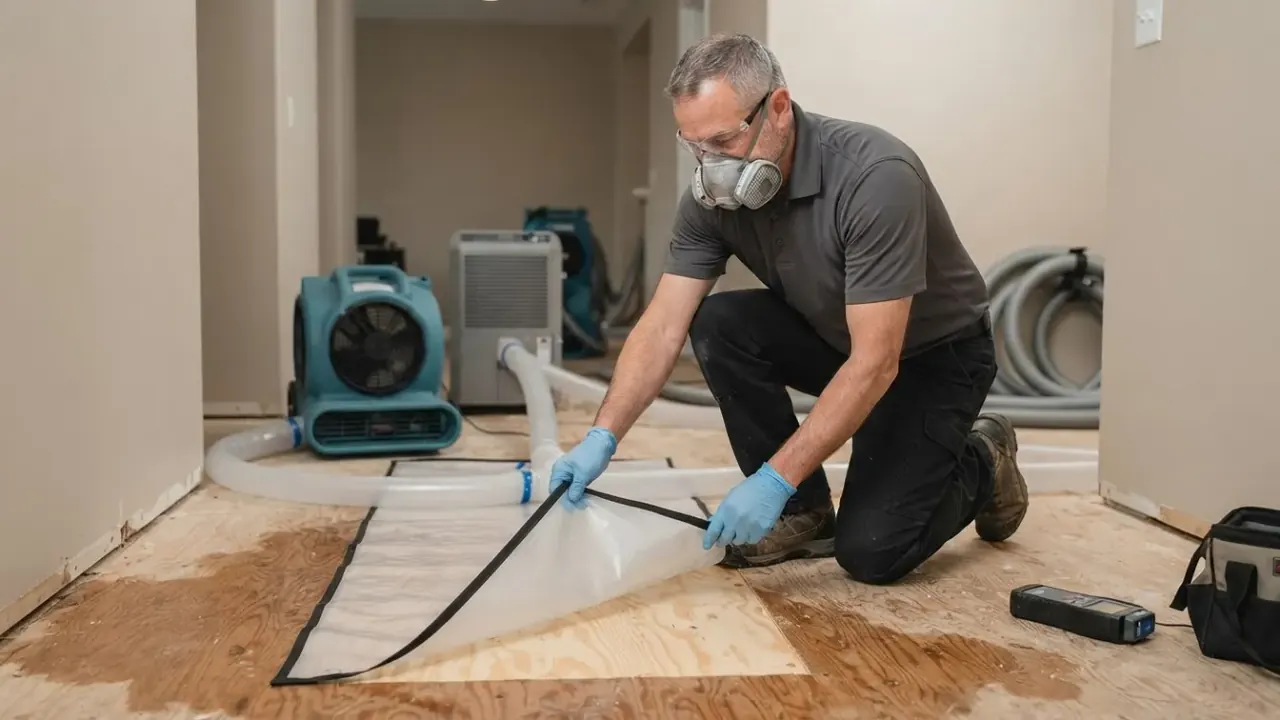
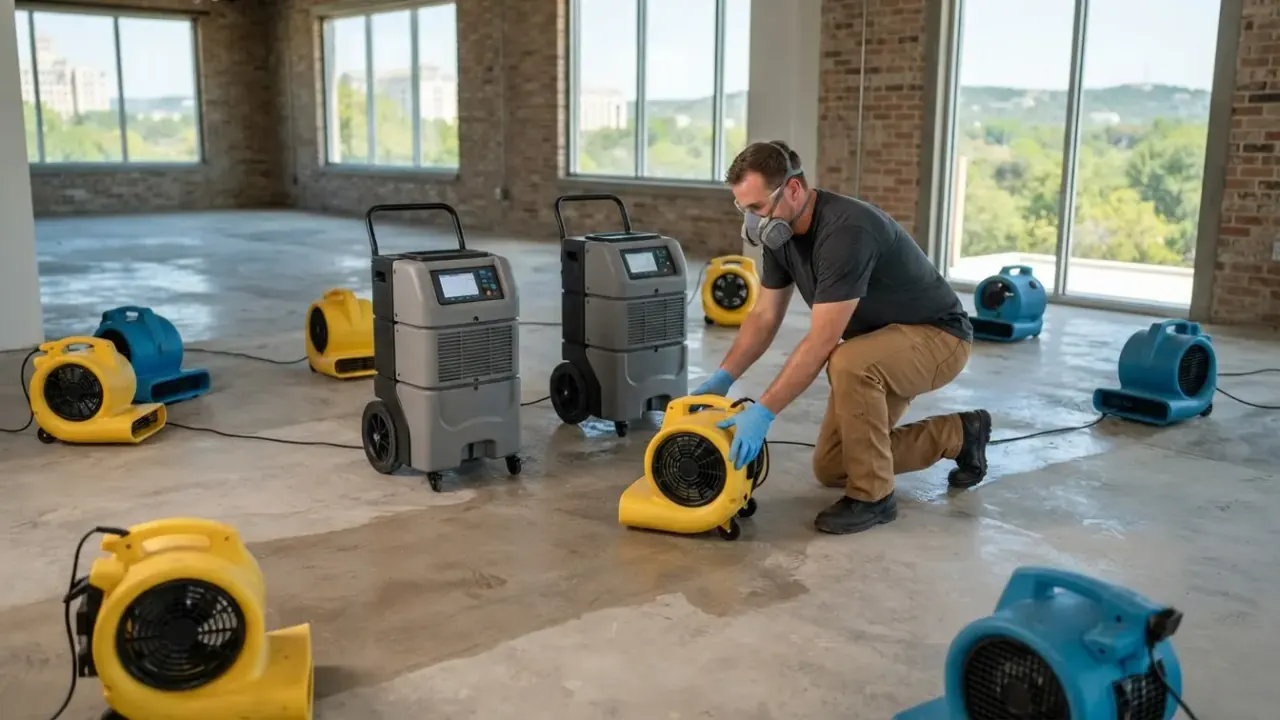
Finding the water sourceRemoving standing waterStarting structural drying
Thorough inspectionsWe check walls, floors and cavities for hidden moisture.
Detailed reportsYou receive a clear summary of what was found and done.
Protective measuresWe take steps to safeguard the rest of your property.
Follow-up checksWe re-check moisture readings before the work is closed out.
What does water extraction include?
Extraction is the first, most urgent step of water damage restoration. It stops water from spreading so drying and repairs stay smaller.
Source check first
We find where the water came from and confirm it has stopped. Extracting while a pipe is still leaking wastes the whole visit.
Standing water removal
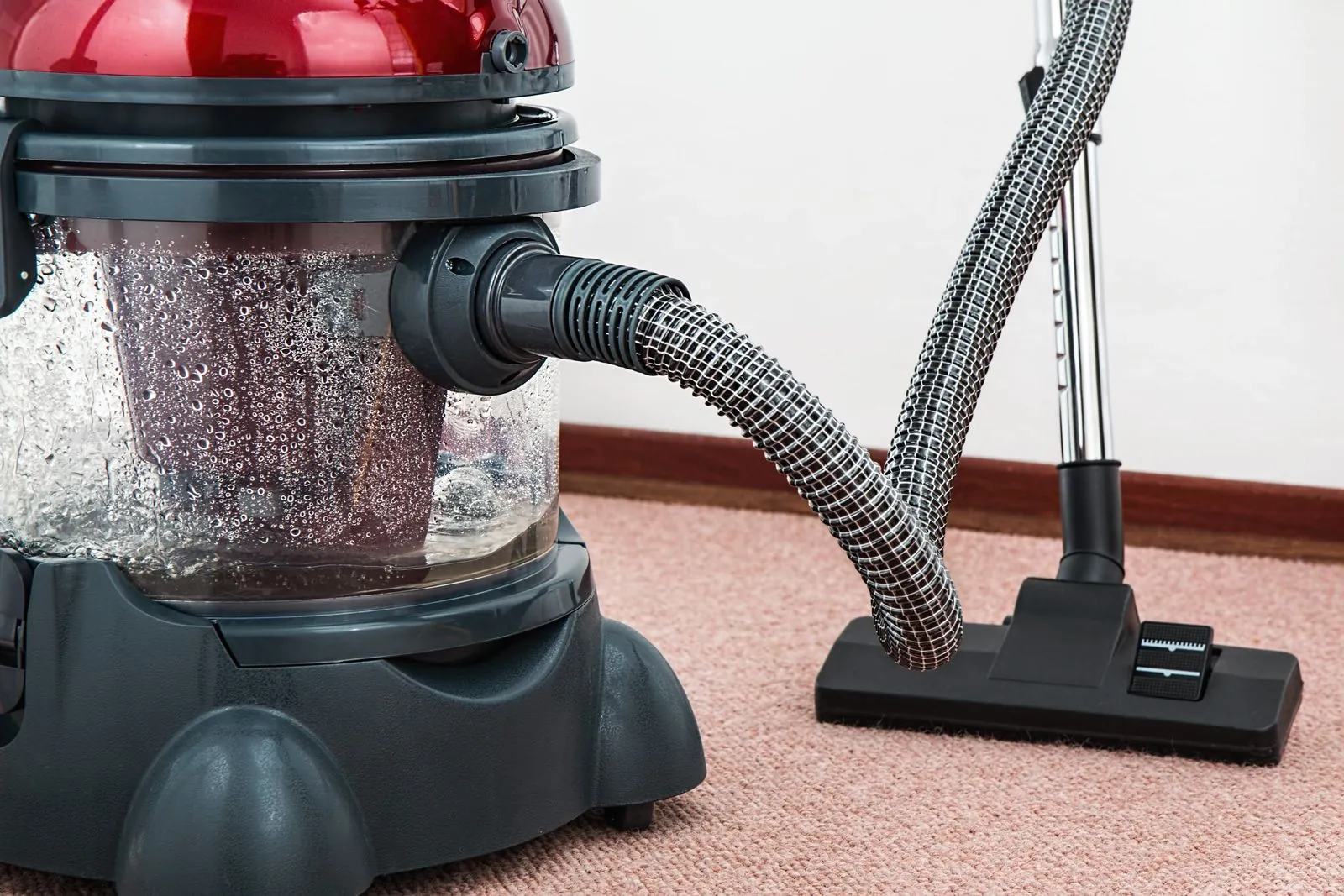
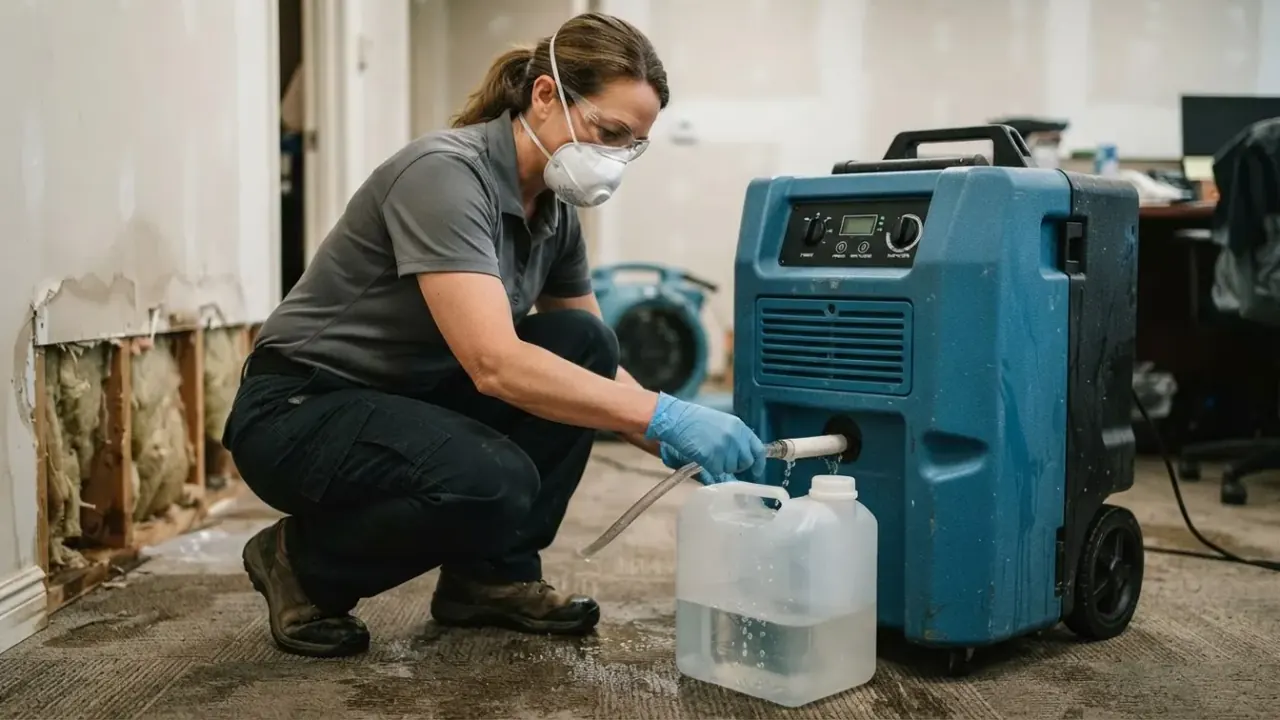
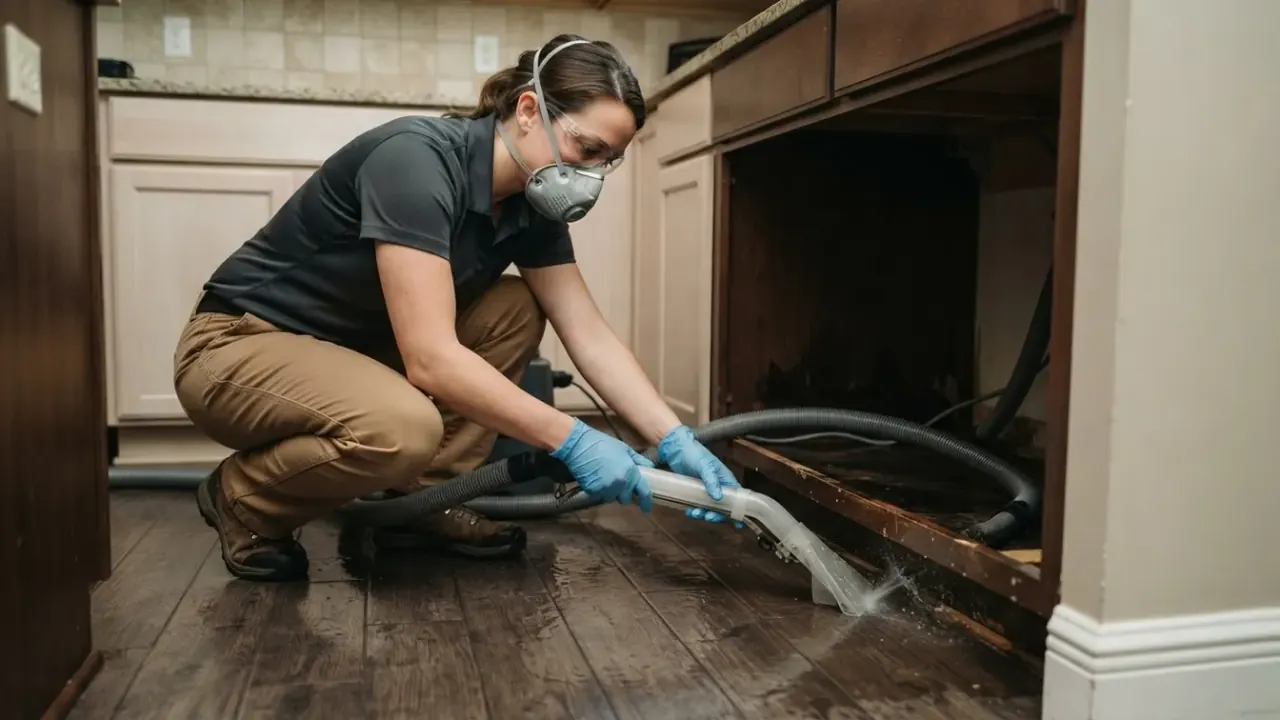
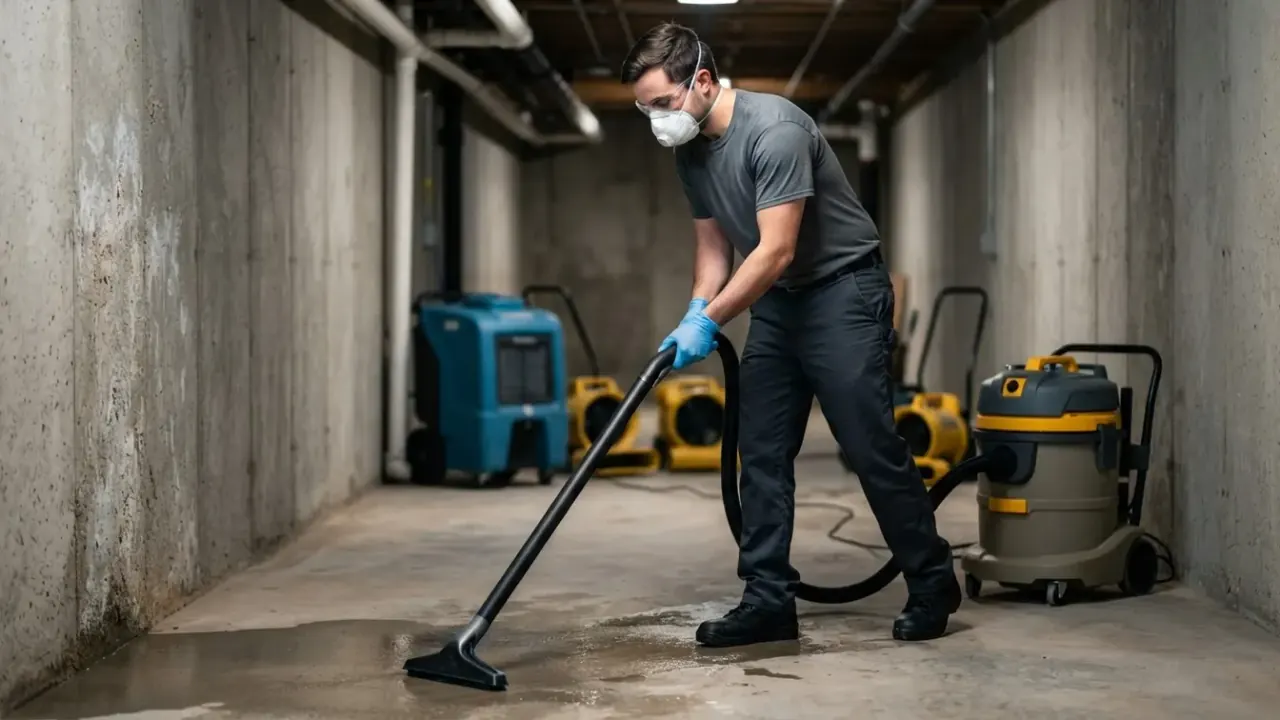
Pumps and extraction wands pull water from floors, carpets and hard surfaces. The goal is to get bulk water out, not just off the surface.
Moisture check
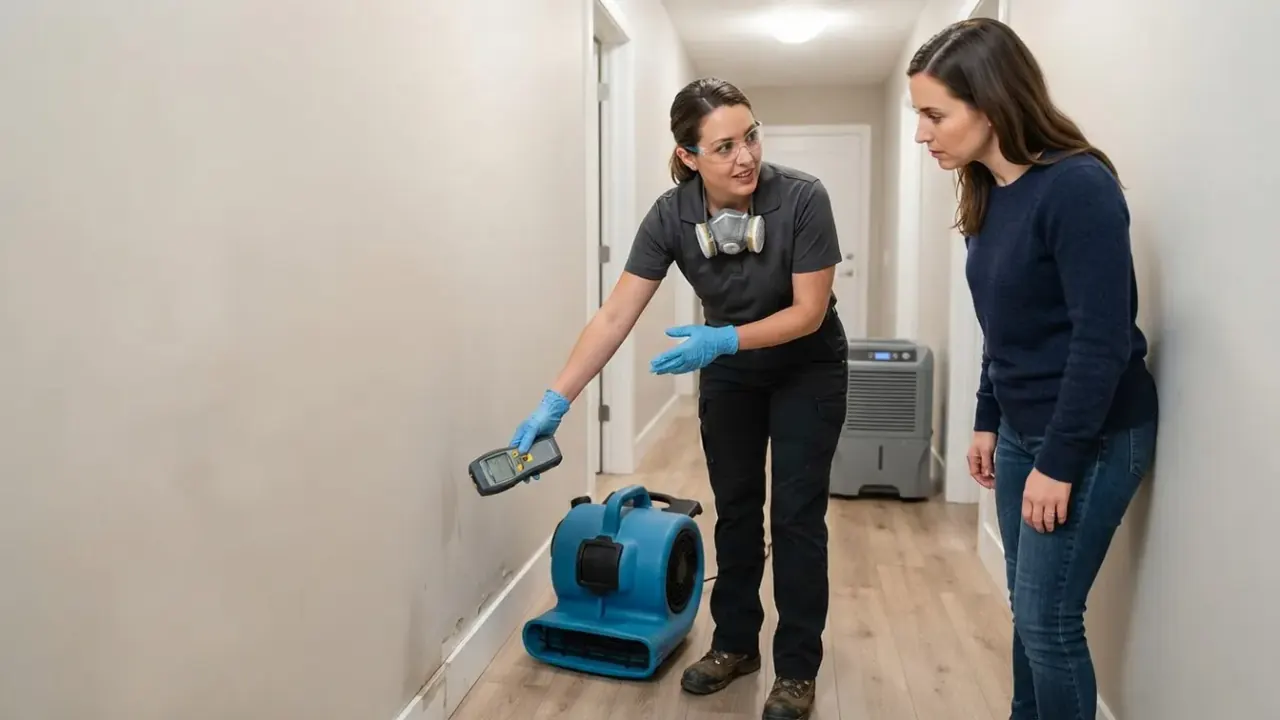
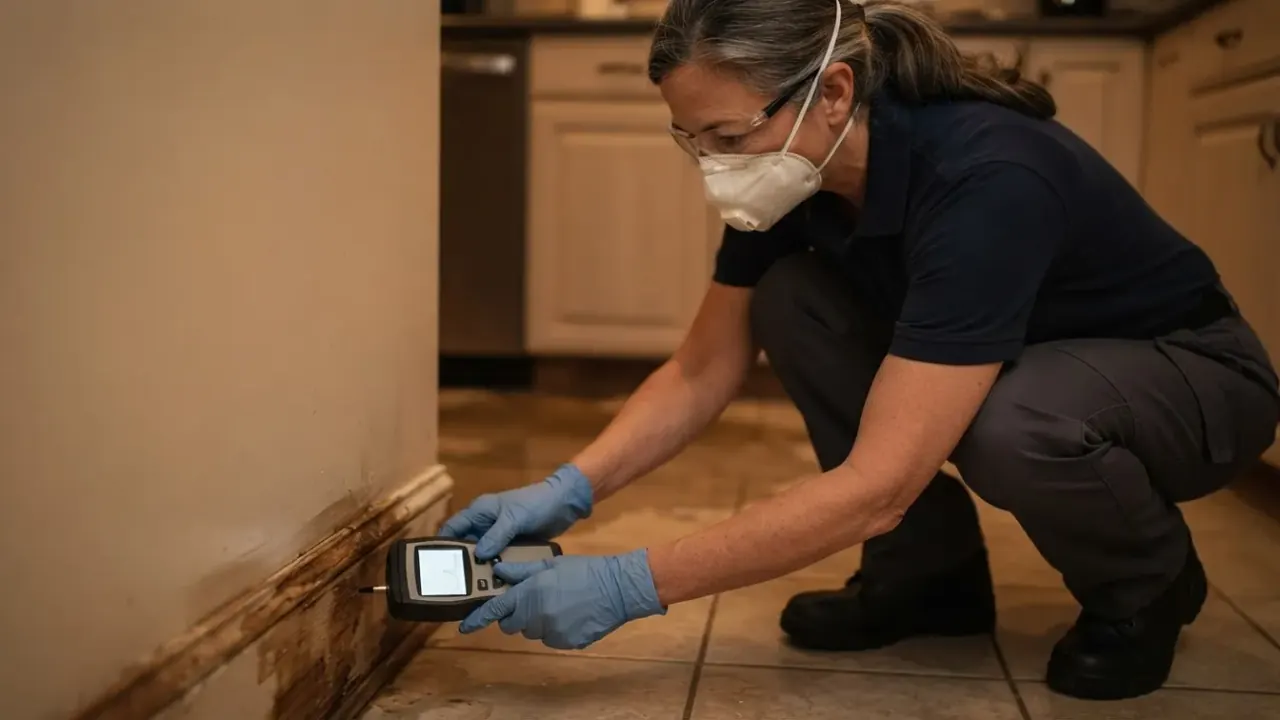
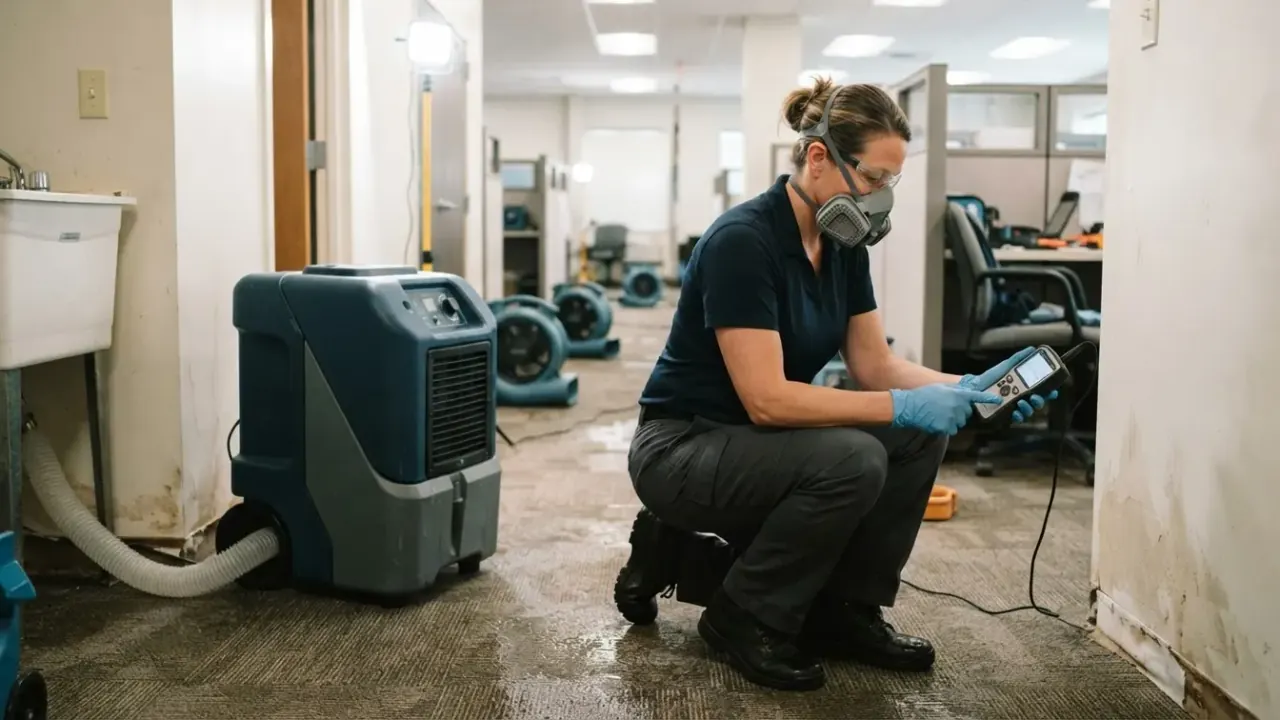
Meters and a visual check show how far water travelled — into baseboards, wall cavities or subfloor. That map drives the drying plan.
Handoff to drying
Extraction ends where structural drying begins. Air movers and dehumidifiers are placed so moisture keeps leaving the structure.
Homes, rentals and businesses.
The work is the same; what changes is access, scheduling and who needs the paperwork.
For Homeowners
A burst pipe or failed water heater can flood a room in minutes. We extract the water and explain, in plain terms, what is wet and what drying will take.
Burst or frozen pipes in winter
Water heater and appliance leaks
Snowmelt and ice-dam leaks through roofs
For Businesses and Landlords
Water in a rental or a shop needs records as much as removal. We document moisture readings and the areas affected for owners, managers and insurers.
NAU-area rentals between tenants
Shops and offices along Milton and downtown
Vacation homes found wet on arrival
What is emergency water extraction?
A plain-language look at what extraction does, and why it comes before everything else.
Water extraction is the removal of standing and trapped water from a home or building. It uses pumps, extraction tools and wet vacuums — not mops and towels, which leave water sitting in pads, subfloors and wall bases.
In Flagstaff, extraction calls follow the seasons. Winter brings frozen and burst pipes; spring brings snowmelt; monsoon storms from mid-June to late September can push water under doors and into low rooms.
Bulk water out first. Everything else — drying, cleaning, repairs — works better and costs less when extraction happens early.
What it is
Removing standing water and surface moisture with professional extraction equipment.
When you need it
Any time water is standing or spreading — after a burst pipe, a leak, or flooding.
What to expect
A source check, a moisture map of the affected rooms, extraction, then a drying setup.
How does the extraction process work?
Five steps, in order. Each one is explained as it happens, and readings are recorded along the way.
Find and stop the source
We confirm where the water came from and that it has stopped. If a pipe is still leaking, that is fixed or shut off first.
Source check
Shut-off help
Safety check
Map the moisture
Meters and inspection show which rooms, walls and floors are wet. You see the same map we work from.
Moisture meters
Room-by-room map
Photos
Extract the water
Pumps and extraction wands remove standing water from hard floors, carpet and pad. Furniture is moved or blocked up where needed.
Pumps
Extraction wands
Furniture care
Clean affected surfaces
Surfaces the water touched are cleaned. Floodwater from outside is treated differently from clean supply-line water.
Surface cleaning
Debris removal
Odor control
Set up drying
Air movers and dehumidifiers are placed and readings recorded. Drying continues under our structural drying service.
Air movers
Dehumidifiers
Reading log
What equipment removes the water?
Move across a circle, or focus it and press Enter, for an illustrative thermal view of the photograph.
Submersible pumps
Used where water is deep — basements, crawlspaces and low rooms. They move large volumes quickly.
Truck-mount and portable extractors
Vacuum extraction pulls water from carpet, pad and hard floors. Portable units reach upper floors and tight spaces.
Wet vacuums and wands
For shallow water and detail work along walls and in corners. They leave far less behind than mopping.
Moisture meters
Pin and pinless meters show how far water has travelled. Readings decide where extraction and drying focus.
Thermal views are illustrative, generated from the photographs.
Methods
Moisture mapping
Readings are taken room by room so hidden water — in wall bases and under floors — is not missed.
Thermal imaging
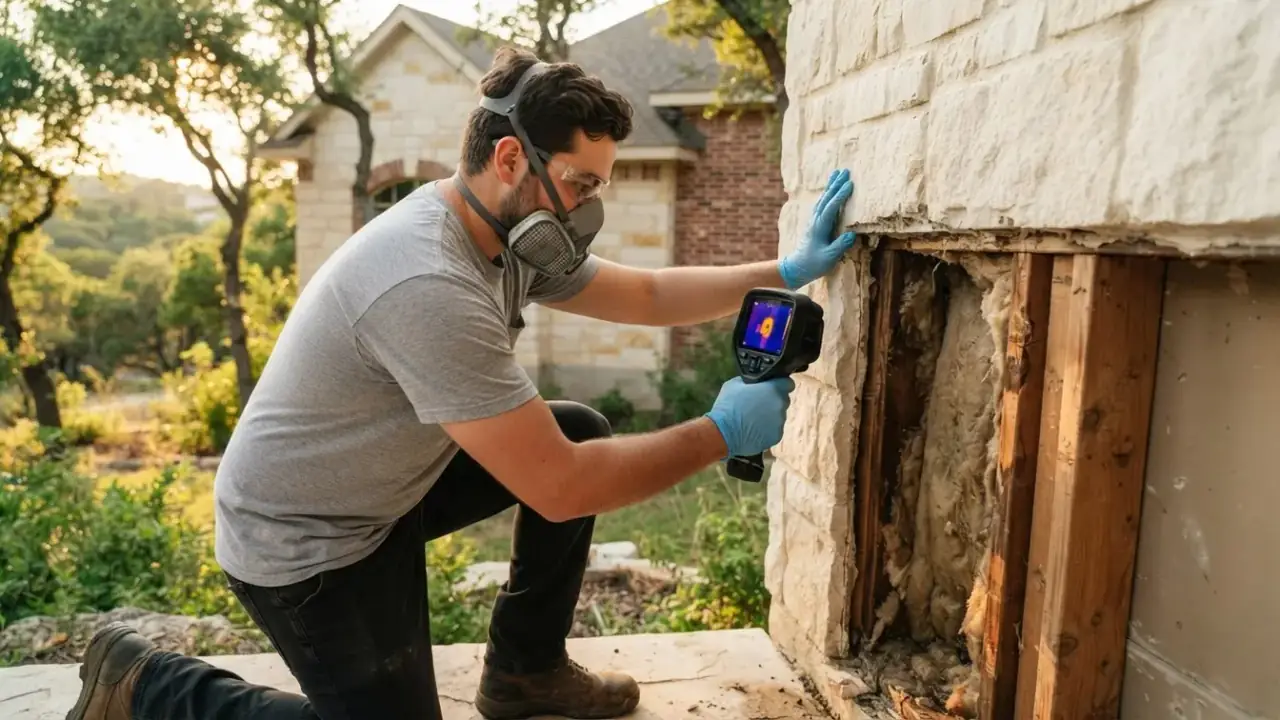
A thermal camera can highlight cool, damp areas behind surfaces. It guides meter checks; it does not replace them.
Category-aware handling
Clean supply water, grey water and outside floodwater are handled differently. The source decides the cleaning that follows.
SunnysideDoney ParkDowntown
How extraction works in Flagstaff homes
Flagstaff sits at about 7,000 feet, and its water problems are seasonal. Winter freezes burst pipes in crawlspaces and garages; monsoon storms flood low-lying streets; spring snowmelt finds roof weaknesses. Local knowledge shapes where we check first.
Sunnyside: Older homes and monsoon street flooding mean water under doors and into low rooms.
Mount Elden Estates: In the Museum Fire burn-scar flood area — outside floodwater here needs flood cleanup, not just extraction.
Downtown: Early-1900s housing stock; pipe age and condition vary block to block.
Frozen pipes: Around 90 inches of snow a year and deep cold make winter bursts the top extraction call.
Vacant homes: Second homes that sit empty in winter are often found flooded days later — extraction starts with a full moisture map.
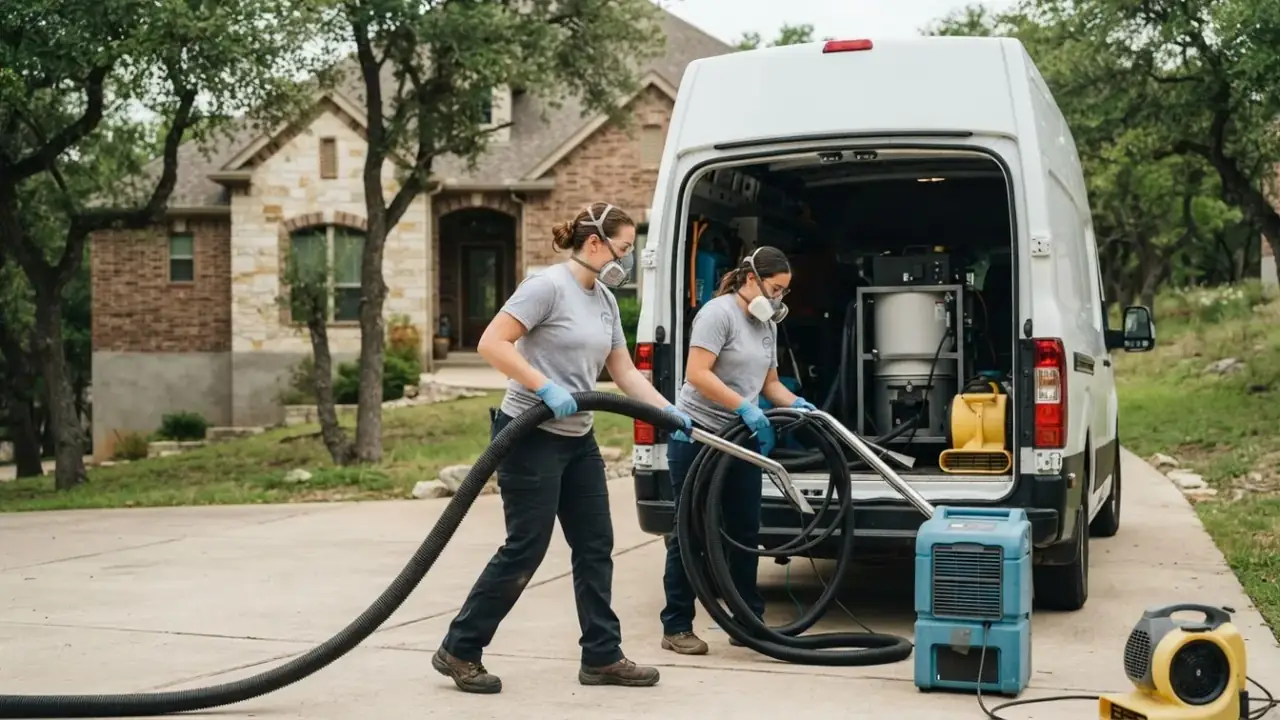
Extraction equipment is set up and standing water removed.
Readings are recorded so drying can be verified later.
Wet vs. dry: what changes
IllustrativeThe thermal view is generated from the photograph. It is not a measurement. Drag the handle, or use the arrow keys once it is focused.
Standing water on floors
What you see: Pooled water on tile, wood or carpet, often spreading from one room.
What it means: Water is already moving into subfloor, pad and wall bases.
Extraction removes the bulk water so drying can actually reach what is underneath.
Wet carpet and pad
What you see: Carpet that squelches underfoot and stays cold.
What it means: The pad below usually holds more water than the carpet itself.
Wand extraction pulls water through the carpet; badly saturated pad may need to come out to dry the floor.
Water at the wall base
What you see: Dark baseboards, bubbling paint or a damp line on drywall.
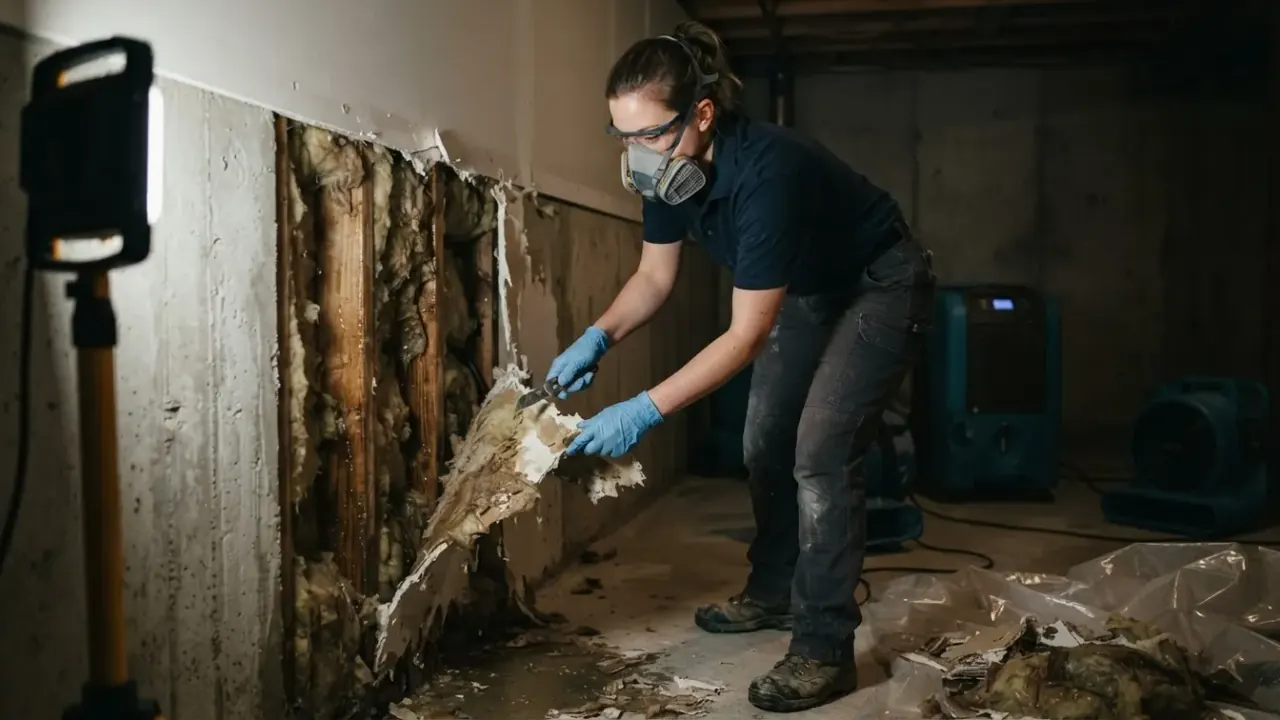
What it means: Water has wicked up into the wall cavity and insulation.
Meters confirm how high it travelled, and drying is aimed at the cavity — see our structural drying page.
What problems does extraction solve?
Removing water early is what keeps a wet room from becoming a rebuild.
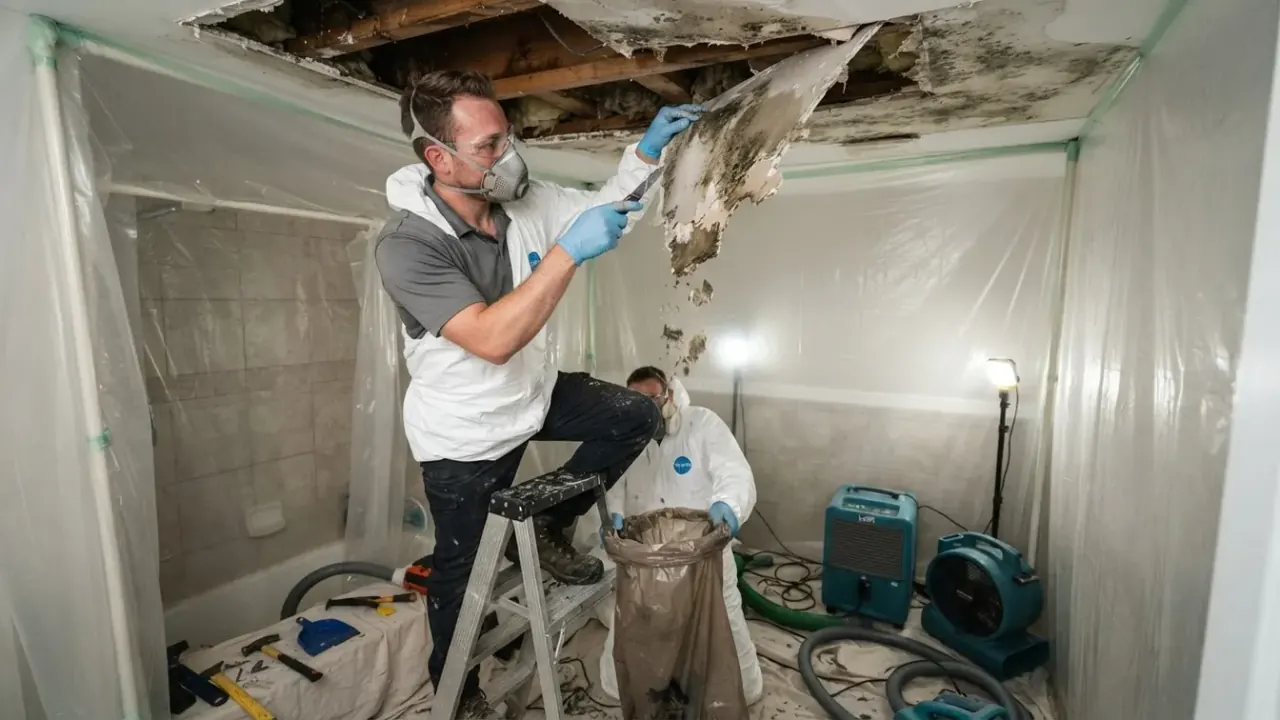
Mold riskGrowth can begin within 24–48 hoursMold can start growing on damp materials within a day or two. Removing bulk water and starting drying right away is the main prevention.
Structural damageWarped floors and weakened wallsWater swells wood, delaminates flooring and softens drywall. The longer it sits, the more material has to be replaced instead of dried.
Hidden spreadWater travels where you cannot see itWater runs under flooring and inside walls far past the visible puddle. A moisture map finds the real edge of the damage.
Why extract first?
Extraction is the step that makes every later step smaller, faster and cheaper to scope.
Less material removed
Floors and walls that are extracted and dried early can often be saved. Waiting usually means cutting them out.
A clearer scope
Once bulk water is out, meters show the true extent. Your written scope is based on readings, not guesses.
Lower mold risk
Fast extraction plus drying is the practical way to prevent mold after water damage. See our mold guidance page.
Better claim records
Photos and moisture logs from the extraction visit document the loss. Our insurance guide explains what insurers ask for.
What a written scope covers.
What a written scope covers and what shapes it. For how costs are built, see our water damage cost guide.
Based in Flagstaff at 2051 E Huntington Dr, covering neighborhoods across the city. These are areas we serve — call to confirm your street.
Sunnyside
Mount Elden Estates
Downtown
Southside
Doney Park
Kachina Village
Mountainaire
Fort Valley
Frequently Asked Questions
Stop the water if you can do it safely — shut off the supply at the fixture or the main valve. Move valuables and soft furnishings out of the wet area, and avoid walking floodwater from outside through the house. Then call (928) 766-1764 so extraction and a moisture check can start.
It gets worse by the hour. Water spreads under floors and into walls, swells wood and drywall, and mold can begin growing within 24–48 hours. A room that could have been dried can turn into one that needs materials removed and rebuilt.
Shut off the main water valve first, then turn off power to wet areas if water is near outlets and it is safe to do so. Open the lowest taps to drain lines if the burst is inside. Take photos for your records, then call for extraction — standing water from a burst can fill wall cavities as well as rooms.
The main risks are mold growth, weakened floors and framing, ruined finishes, and electrical hazards in wet areas. In Flagstaff winters, a wet, unheated home can also freeze again and burst a second pipe. Untreated damage almost always costs more to repair later.
Tell us what happened and where the water is. Calling is fastest when water is standing — reach us at (928) 766-1764, or send the form and we will take it from there.